
Spirit Airlines and the Bailout Trap
Washington is reportedly weighing a $500 million rescue. The arguments on both sides are stronger than the headlines suggest — and the precedent either way could reshape how America handles airline fa

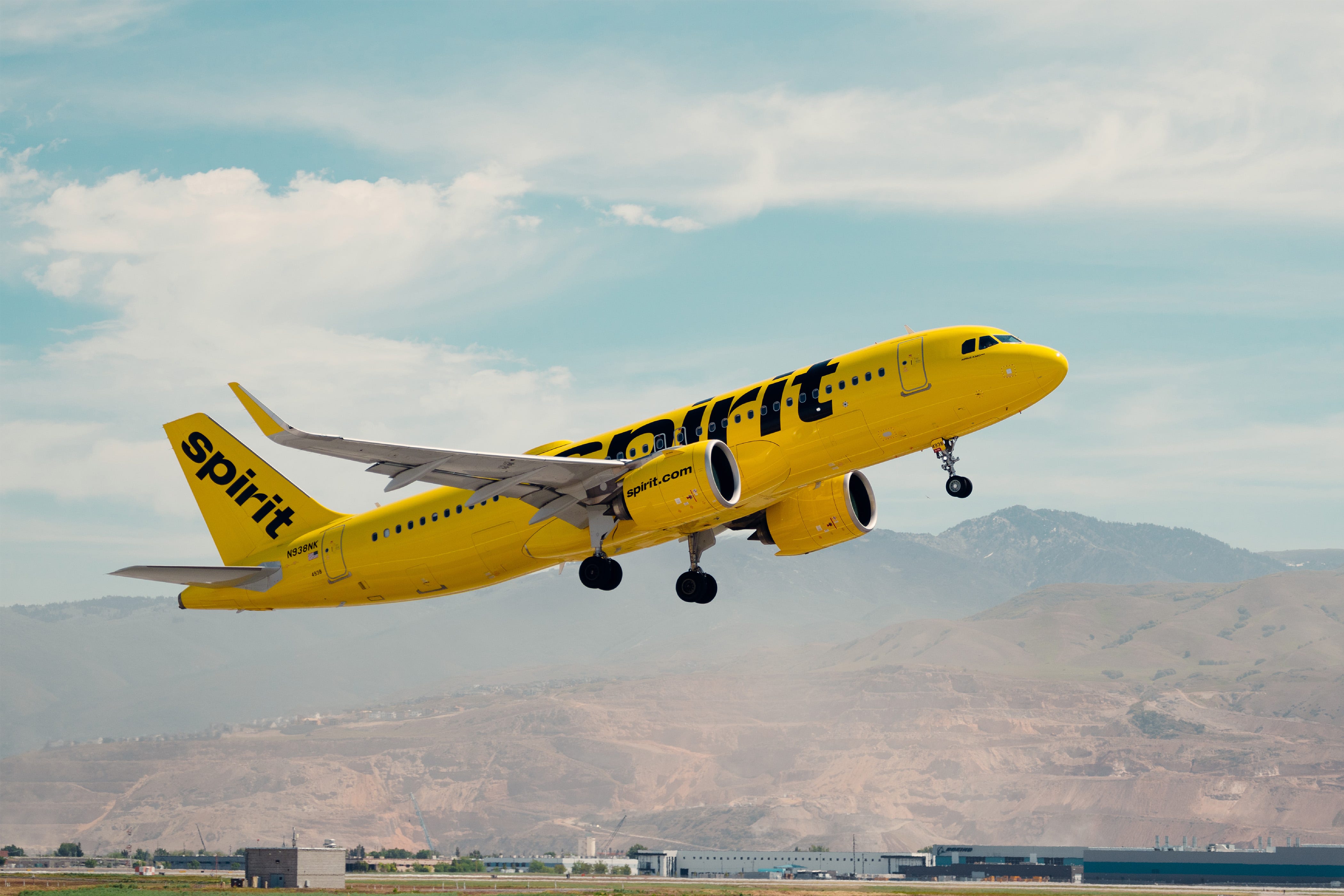
The White House is reportedly weighing a roughly $500 million rescue for Spirit Airlines, and that raises a question larger than Spirit itself: when does a bailout become a policy choice about jobs, communities, and air service, and when does it become a subsidy for poor execution?
Spirit is not just another airline on a balance sheet. It employs thousands of people, serves important leisure markets, and in some cities it is a major source of connectivity and competition.
When an Airline Fails, the Pain Spreads
If Spirit were to fail, the pain would not be limited to its own employees. Airports, local businesses, tourism markets, contractors, and consumers who depend on low fares could all feel the effect. In places such as Myrtle Beach and Fort Lauderdale, a sudden absence of Spirit could affect local employment and adversely affect the economy when those who visited the cities because of ultra-low air fares no longer did so.
At the same time, the case against a bailout is just as strong. Spirit has long been viewed as a carrier with structural challenges, thin margins, and a business model that has been difficult to sustain through shocks and cycles.
When the major airlines introduced “basic economy” fares, many of the ultra-low-cost carriers (ULCC), whose public image was already battered, lost much of their business. In the eyes of the public, a basic economy ticket on United had more perceived value than what their experience on an ULCC had given them.
This failure to respond to the flying public’s needs is where many readers will pause and ask a fair question: why should taxpayers be asked to underwrite an airline that has struggled to manage its own affairs?
The case for intervention
Supporters of a rescue would argue that airline failures are not ordinary business failures. When an airline disappears, the impact can spread fast and widely. Workers lose paychecks, airports lose traffic, communities lose service, and competitors may not replace capacity quickly or at all. In that sense, a bailout is not simply about keeping Spirit alive. It is about avoiding a broader disruption to air service and to the local economies that depend on it.
There is also the political reality. A collapse that sends roughly 14,000 employees into unemployment would create an immediate employment shock, and that is the kind of number any administration would want to avoid showing up in a monthly jobs report. Even critics of bailouts often acknowledge that the timing of a large airline failure matters. In an election-sensitive environment, that makes the question not just economic, but highly political.
Then there is the consumer argument. Spirit has played an important role in fare competition, especially in leisure-heavy markets. Its presence has often forced other airlines to pay attention to the lowest end of the price spectrum.
If Spirit disappears, some of that competitive pressure could weaken. For travelers, that could mean fewer choices and higher fares, at least in the short term.
The case against intervention
The strongest argument against a bailout is not ideological. It is about fairness and incentives. If the government steps in with $500 million for Spirit, where does it stop? Does that open the door for Frontier, or any other carrier, to come to Washington begging for a handout when conditions turn difficult? Once one airline gets special treatment, the line between emergency support and routine subsidy gets harder to defend.
That concern is especially sharp in an industry where other carriers have made hard choices on their own. Some airlines hedged fuel more effectively. Some ran tighter operations. Some managed balance sheets with more discipline. To those companies, a Spirit rescue could look less like a national policy and more like a reward for weaker management. That is where the bailout debate starts to collide with the basic idea of a free market economy: winners and losers are supposed to be determined by performance, not by access to government capital.
There is also a broader fiscal question. Government does not have unlimited money, and every rescue has an opportunity cost. In a fiscal environment already characterized by large deficits and competing spending priorities, the opportunity cost of $500 million is a legitimate question. As the public gears up for the critical mid-term elections, they may ask is this the time to spend another half-billion dollars on an airline?
Supporters of restraint will argue that if taxpayers are being asked to subsidize one airline, they should ask what else that money could be used for. That argument becomes even more pointed when the public is already debating deficits, spending priorities, and what constitutes a true national interest.
The Spirit problem
Spirit sits in the middle of a classic policy dilemma. It is large enough that a collapse would matter, but troubled enough that rescue money may not solve the underlying problem. That makes it hard to argue for a clean, permanent solution. A bailout can buy time. It can stabilize payrolls. It can preserve service in the near term. But it cannot guarantee that the airline will become a good business.
That is what makes this debate so difficult. If the goal is simply to prevent immediate disruption, a rescue has logic. If the goal is to protect the public from becoming the backstop for every weak airline, then the answer is much less clear. The challenge is that both positions can be defended in good faith, and both can claim to be acting in the public interest.
What history tells us
History does not give a single answer.
Some airline bailouts or rescue programs clearly did not work, at least if the standard is whether they produced a durable turnaround. The most obvious pattern is that public money can keep a carrier alive for a while, but if the underlying business remains weak, the money mostly delays the end rather than preventing it.
Alitalia is the classic case: repeated Italian state support kept it flying for years, but it still collapsed and was replaced by ITA Airways. The same with multiple bailouts of Hungary’s Malev. Blue Air in Romania fits the same pattern: state aid did not restore long-term viability, the airline suspended operations, and the European Commission later ordered recovery of incompatible aid.
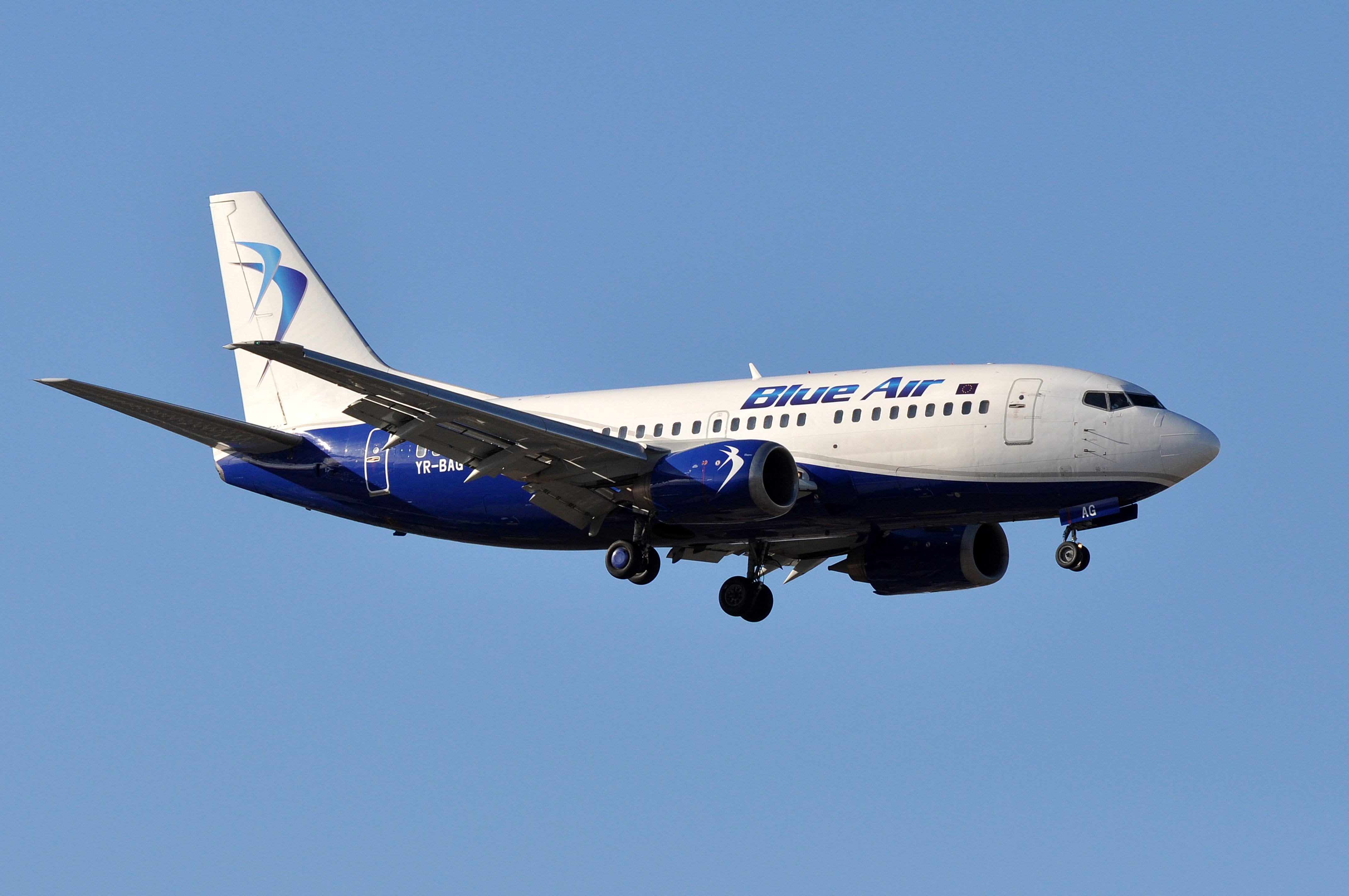
These rescues may have worked temporarily but failed strategically. They preserved jobs, service, and time for restructuring in the short run, but they did not create a lasting solution, and taxpayers were left carrying the burden.
That is why critics argue bailouts can become a way to postpone painful decisions rather than force them, especially when the carrier’s problems are structural rather than cyclical.
Spirit’s defenders will say the airline deserves a chance to stabilize, preserve jobs, and keep communities connected. Its critics will say that repeated public support only encourages more of the same behavior and punishes airlines that managed their businesses more responsibly. Both arguments have merit. Neither is frivolous.
The $500 million question
In the end, this is not really a story about whether Spirit is likable or whether its management has been perfect. It is a story about what we think the government should do when a large airline falters.
The question Washington must now answer is whether Spirit’s problems are cyclical too — or whether $500 million would simply delay a reckoning that is already overdue.
Should Washington step in to protect jobs, service, and competition? Or should it let the market work, even when that means painful consequences for workers and communities?
That is the question worth debating. And it is exactly the kind of question airline strategy should help answer.