
“This Is Your (Unlicensed) Captain Speaking”
How a terrifying fake-license scandal forced Pakistan to legally amputate its own national airline to save its global reputation.

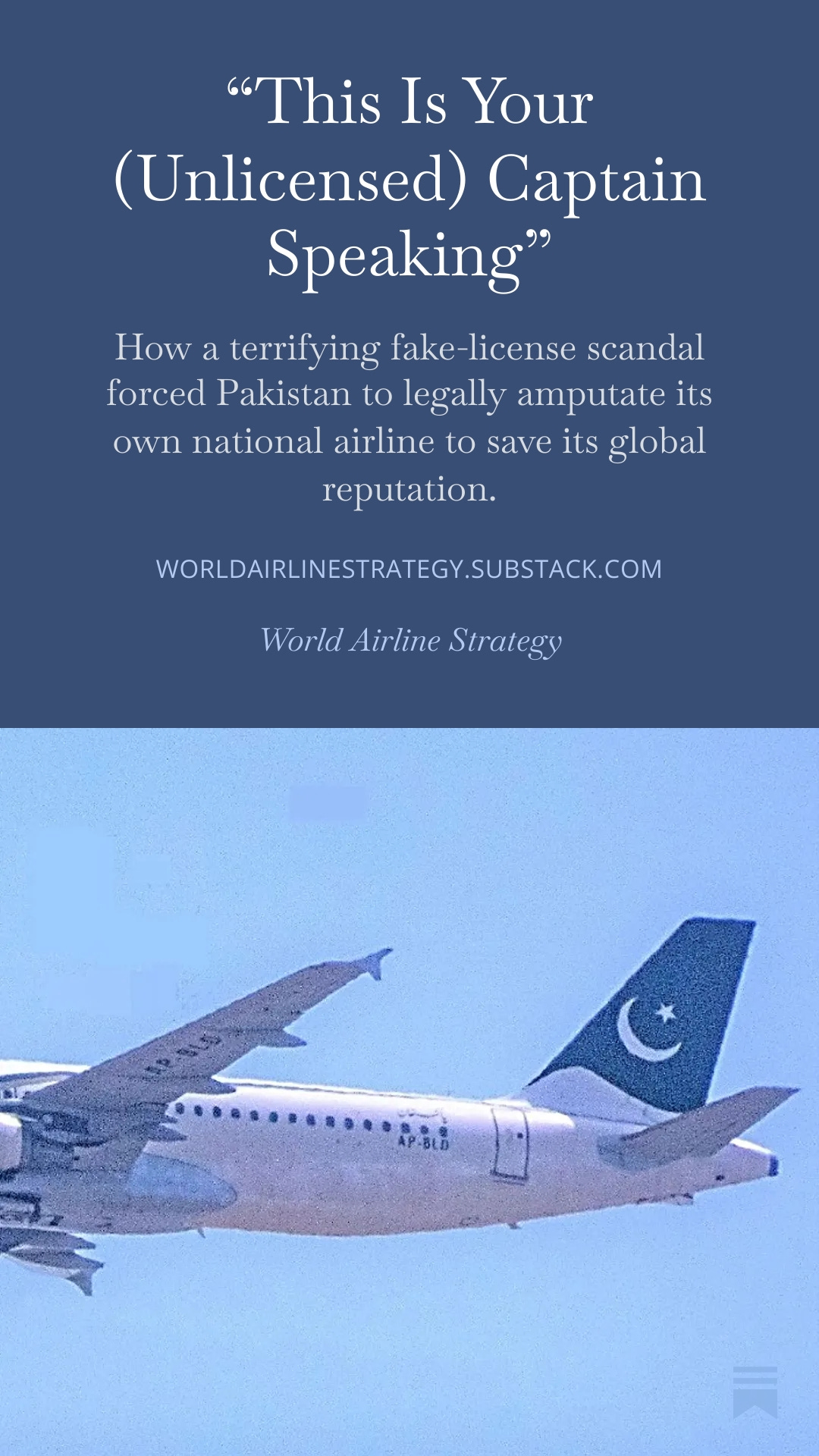
For a long time, the baseline assumption of international aviation was that a sovereign state shield meant something. If a jet bore a national flag, you assumed that the regulatory apparatus beneath it—the civil aviation authority, the ministry, the licensing board—was functional.
The story of Pakistan International Airlines (PIA) damaged that illusion.
When an airline is structurally tied to the state, regulatory failures cease to be mere bureaucratic infractions; they mutate into crises of national reputation. For those who do not closely follow South Asian aviation, the collapse of PIA wasn’t just a corporate bankruptcy. It was an institutional, moral, and systemic meltdown that reached into the literal cockpit. What unfolded over the last several years was a multi-billion-dollar lesson in the fragile anatomy of global trust—and a case study in why, to save a national reputation, a state sometimes has to legally amputate its own national symbol.
The Collapse of the Sovereign Shield
To understand the scale of the collapse, one must understand what PIA once represented. Founded in 1947 as Orient Airways before its nationalization, PIA was once the pride of a young nation. In the 1960s and 70s, it was a dynamic, forward-looking carrier—so much so that it is often credited with providing the technical and operational blueprint to help launch Emirates.
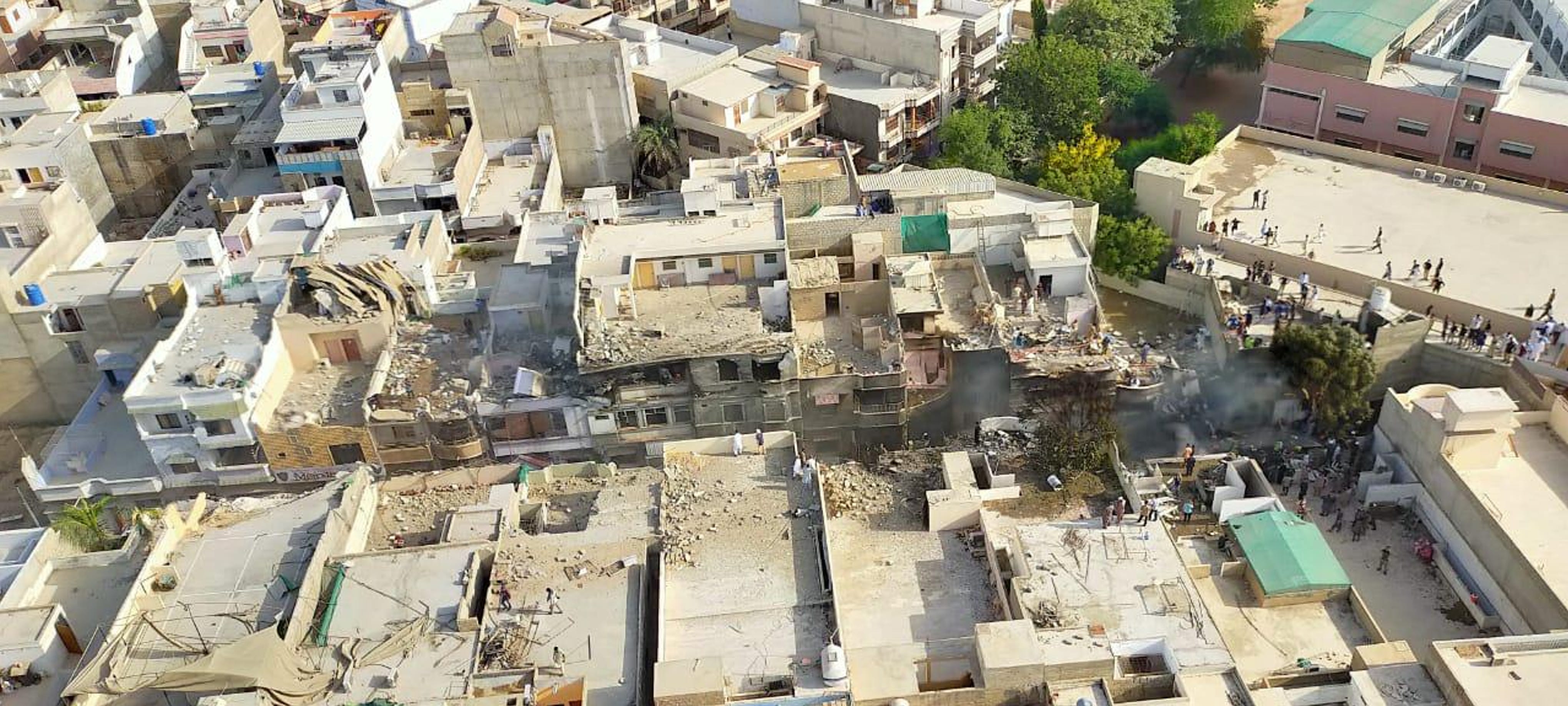
Yet, decades of political patronage, nepotism, and bureaucratic bloating steadily eroded that legacy. The rot finally broke through the surface on May 22, 2020, when PIA Flight 8303—an Airbus A320—crashed into a residential neighborhood near Karachi, killing 97 people. The preliminary investigation exposed a chilling level of human error: the pilots had ignored multiple air traffic control alarms, casually chatted about the ongoing COVID-19 pandemic during the approach, forgot to extend the landing gear, scraped the engines along the runway on an aborted first attempt, and subsequently lost both engines during a go-around.
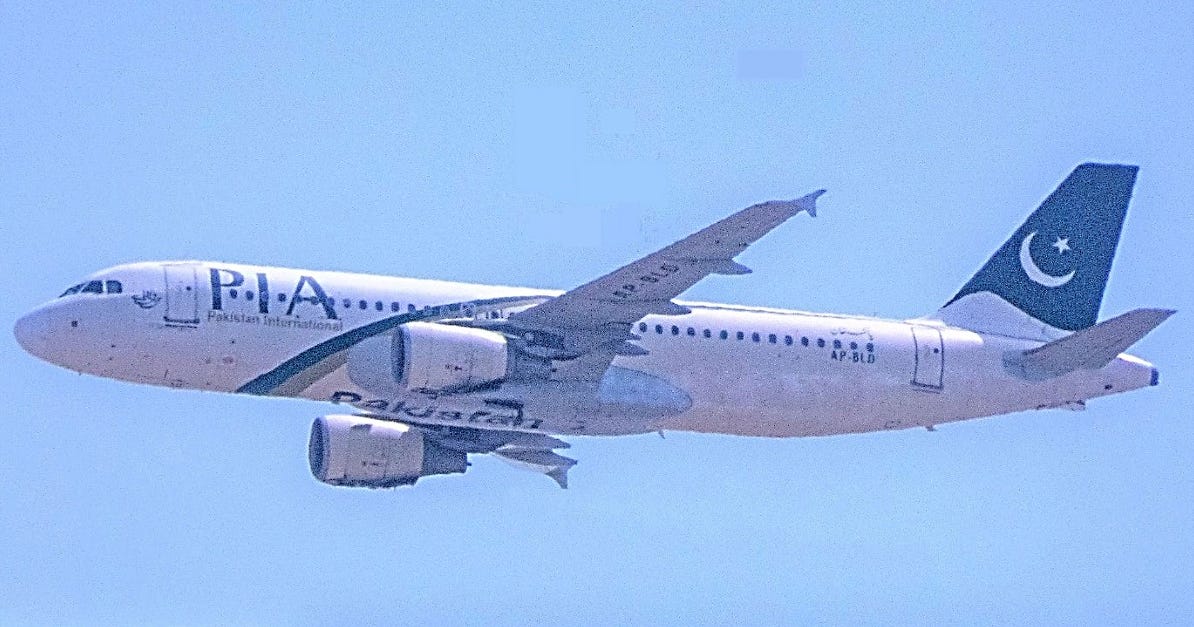
But the true disaster struck in June 2020. Presenting the interim crash report to parliament, Pakistan’s then-Aviation Minister, Ghulam Sarwar Khan, dropped a bombshell that reverberated across the global aviation industry. He announced that nearly a third of all active pilots in Pakistan held “dubious” or outright fake credentials.
According to official government records, out of 860 active pilots in the country, 262 had cheated on their exams or paid proxy test-takers to sit for the theoretical examinations on their behalf. Some of the grounded aviators entirely lacked proper commercial flying experience.
The revelation triggered an immediate, systemic crisis. The European Union Aviation Safety Agency (EASA) and the UK Civil Aviation Authority immediately banned PIA from their skies, citing a fundamental failure in the Pakistan Civil Aviation Authority’s (PCAA) ability to certify its own operators.
It got worse. Pakistani pilots flying for foreign carriers worldwide—from the Middle East to Southeast Asia—were abruptly grounded by local regulators demanding sudden, retroactive validation of their paperwork.
The Two Publics: A Study in Fragmented Trust
The central analytical question of the PIA saga is one that faces any legacy carrier trying to climb out of reputational ruin. Here was the lesson for every airline whose leaders are thinking of cutting corners or cheating the system: 73 years of building a stellar corporate reputation for integrity can be ruined in a single day when a report of your egregious deeds goes global in minutes.
If you are Pakistan International Airlines, How do you now sell trust to a public that has countless other options today with superb European and Middle-Eastern carriers?
The answer depends entirely on which public you are talking to. PIA’s survival has historically rested on a sharp divide between two distinct passenger demographics.
The survival of PIA’s reputation rests on a distinction most aviation coverage misses entirely — and it determines whether privatization actually works. Subscriber now to continue this and other airline industry deep-dive stories every week. Paid subscriber can finish reading the story continue below.
