
I Once Was Lost, But Now Am Found
The strange, lucrative afterlife of America's orphaned luggage

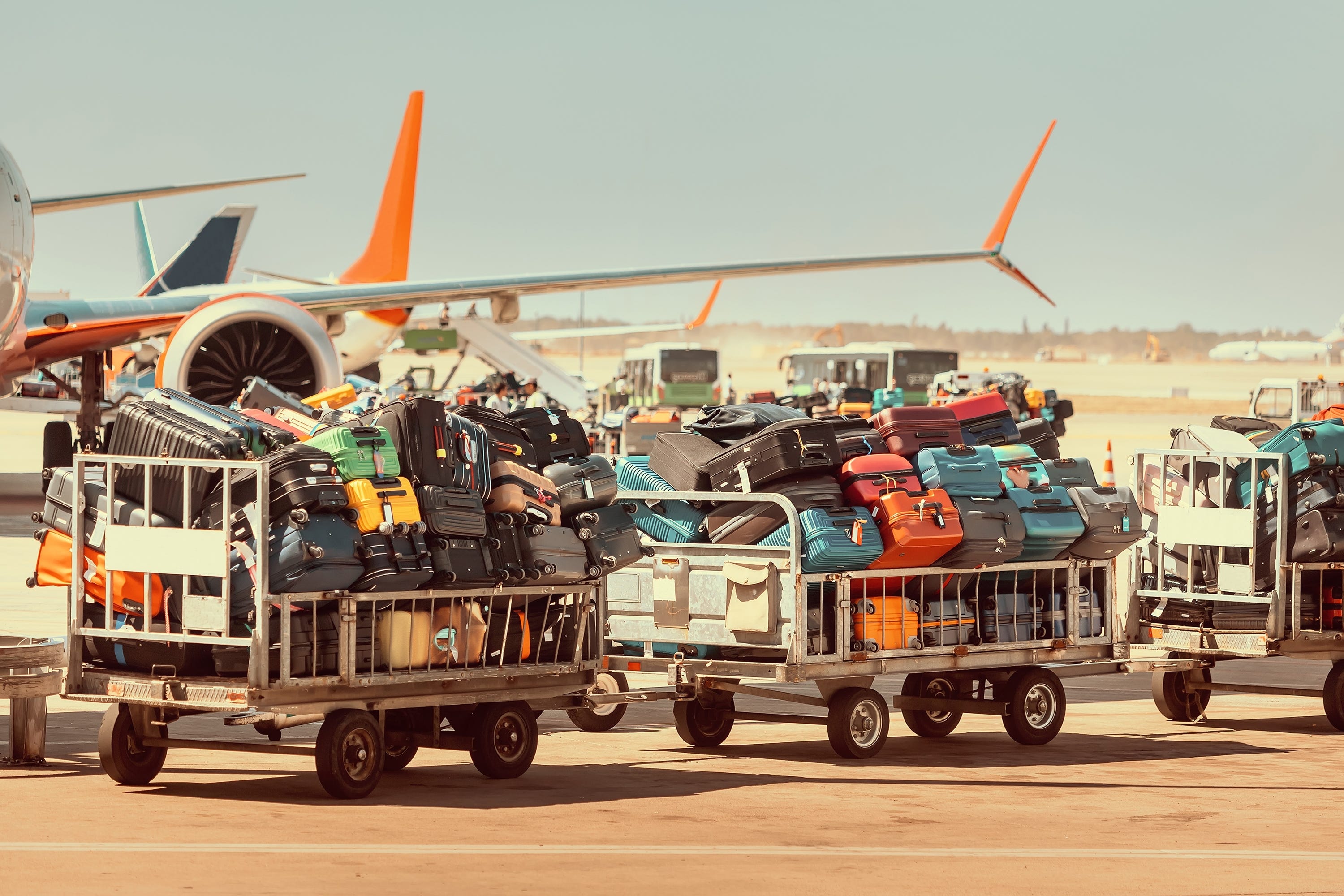
Every frequent flyer knows the feeling. The aircraft has arrived, the jetway is crowded, and somewhere in the bowels of the terminal a carousel is beginning to turn. Bags appear. The crowd thins. Your bag does not appear.
The good news is that this story almost always has a happy ending. Airlines successfully reunite passengers with more than 99.5 percent of checked bags, and the relentless improvement of barcode and RFID tracking technology has driven mishandling rates to historic lows. When a bag does go astray, it is almost always a matter of hours before the airline’s tracing systems locate it and arrange delivery.
Almost always. Not always.
Because somewhere in that microscopic fraction of a percent — fewer than three bags in every ten thousand checked — is a suitcase that will never go home. Its owner cannot be found. The address on the tag is wrong, the phone number disconnected, the passenger’s trail gone cold. After ninety days of searching, that bag gets a new name: orphaned. And what happens to it next is one of the more quietly fascinating stories in the airline business.
The Ninety-Day Clock
The process is slower and more legally structured than most passengers realize. When a bag is reported missing, a countdown begins. For ninety days, the airline’s baggage tracing operation attempts to match the physical bag — its description, tag history, routing records, contents list — against the passenger’s claim. Nothing is discarded, nothing sold, nothing disposed of. The bag remains the airline’s legal responsibility throughout.
Only when those ninety days lapse without a match does the airline formally declare the bag abandoned, settle any remaining compensation claim with the passenger under Department of Transportation or Montreal Convention limits, and clear the property for disposal. The fraction of bags that reach this point is vanishingly small — fewer than 0.03 percent of all checked bags are ultimately orphaned — but across the hundreds of millions of bags checked annually by U.S. carriers, that fraction adds up to a meaningful volume.
And that volume has, for more than five decades, been heading to the same address: a small city in northeastern Alabama called Scottsboro.
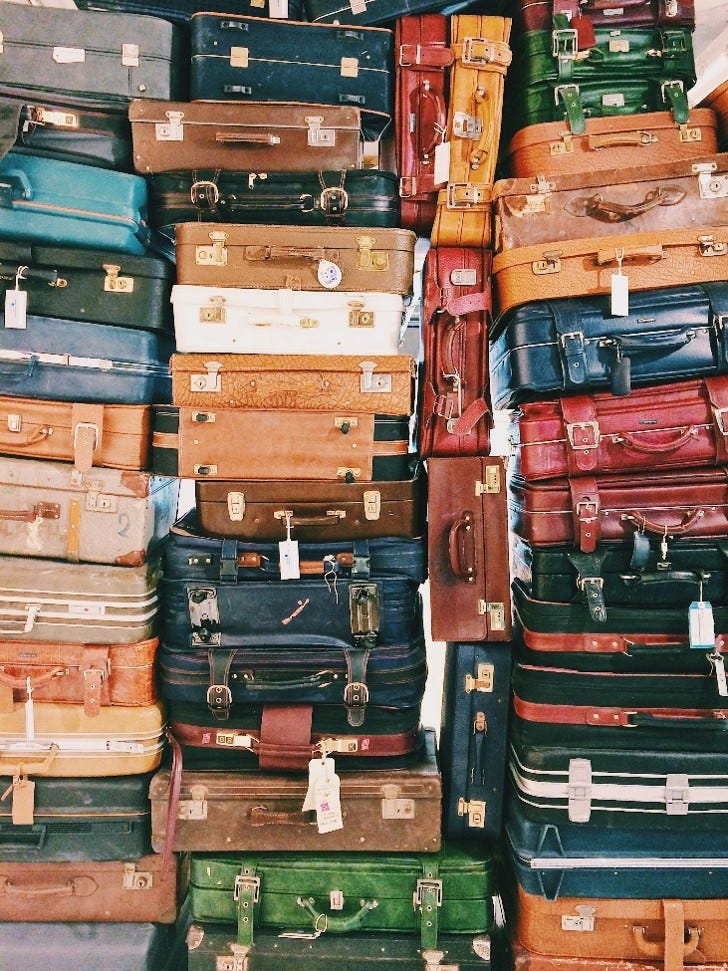
America’s Lost Luggage Capital
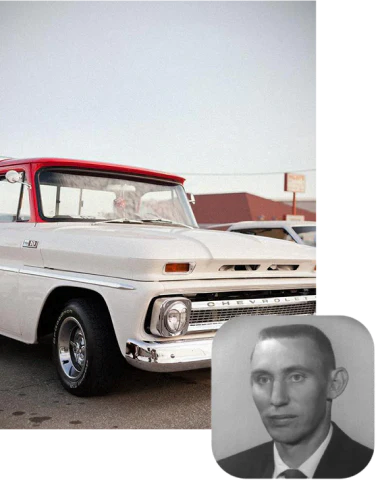
The Unclaimed Baggage Center in Scottsboro is one of those genuinely American business stories that sounds implausible until you encounter the numbers. It began in 1970, when a man named Doyle Owens borrowed a pickup truck and $300, drove to Washington, D.C., and bought his first load of unclaimed luggage outright from Trailways Bus Line. He sold the contents off card tables in a rented house. The venture was an instant success — successful enough that he left his job in insurance to do it full time. The company signed its first airline contract with Eastern Airlines in 1978 and has been growing ever since. Today it holds purchasing agreements with domestic airlines and other travel and transportation companies and occupies a 50,000-square-foot retail store — the size of a city block — that draws roughly a million visitors a year, making it one of Alabama’s most-visited attractions.
The financial mechanics are not something the company discloses in detail. The prices airlines receive per bag or per truckload are confidential. The structure, however, is straightforward enough. Unclaimed Baggage purchases the orphaned bags in bulk, sight unseen, by the tractor-trailer load. The airline recoups a fraction of what it paid out in passenger compensation. Everyone moves on.
What happens in Scottsboro after the trucks arrive is where the story gets interesting.
The Sorting Line
Every bag that arrives at the Unclaimed Baggage Center goes through the same process. It is opened, its contents catalogued, and each item routed into one of three streams. Clothing goes to what is reportedly the largest commercial laundering and dry-cleaning facility in the state of Alabama. Electronics are tested and professionally wiped of personal data. Jewelry is cleaned and appraised. Luxury goods are authenticated.
Roughly a third of what arrives ends up on the retail floor or the company’s online shop, sold at discounts ranging from 20 to 80 percent off retail. Another third is donated — medical equipment, wheelchairs, and other items that charitable organizations can put to immediate use. The final third is recycled or responsibly disposed of. The company processes more than 7,000 items a day.
The Sorting Line
By the company’s own account, every bag that arrives goes through the same process. It is opened, its contents catalogued, and each item routed into one of three streams: Resell, Repurpose, or Recycle. Clothing goes to what the company describes as the largest dry-cleaning operation in the state of Alabama. Electronics are tested and wiped of personal data. Fine jewelry is cleaned and appraised, and luxury items are authenticated before they reach the floor.
The company stocks hundreds of thousands of items in its retail store, priced at discounts of up to 80 percent below estimated retail value, with thousands more listed online. What doesn’t sell is donated through partnerships the company calls Reclaimed for Good — local, national, and international charities that put unclaimed medical equipment, clothing, and supplies to immediate use. What can’t be resold or donated is recycled, with personal documents and data shredded first.
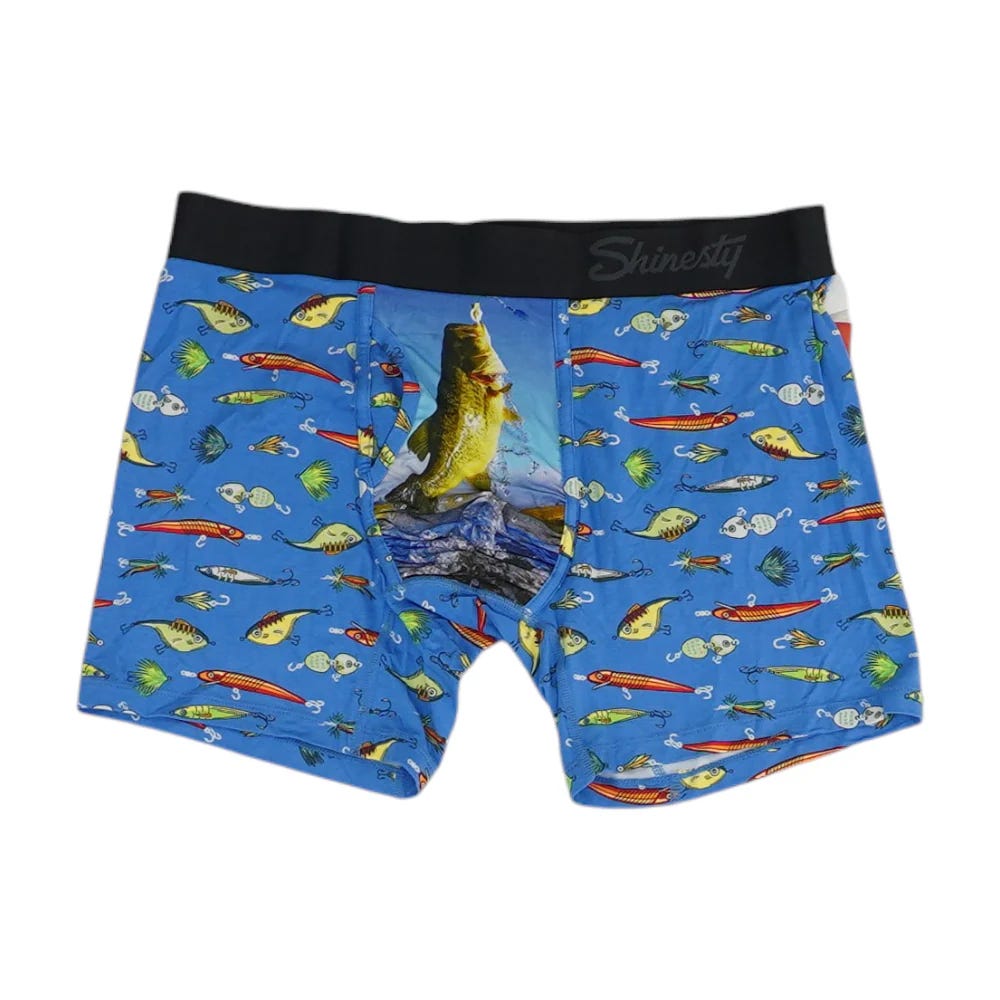
Browse the shop on any given day and the range on offer tells its own story. A pair of men’s novelty boxer shorts printed with a fish pattern was listed recently at $9.99.
A few clicks away sat a 4.75-carat diamond engagement ring set in 14-karat gold, listed at $22,230.99. Between those two price points is, more or less, the entire spectrum of what air travelers carry and, occasionally, never see again.

What People Pack
The honest answer is that most orphaned bags contain exactly what you would expect: clothing, shoes, toiletries, a book or two, the usual detritus of a week away from home. The company has reported processing more than 200,000 shirts and 120,000 pairs of pants in a single year. Unremarkable. Useful to someone. Efficiently sorted and sold.
Then there are the exceptions. And the exceptions, catalogued in the company’s annual Found Report, raise serious questions about what people were thinking when they checked their bags.
Recent years have produced a fully assembled and functional robot, a meteorite dated to 1576, gold-plated golf clubs from a Japanese luxury brand with a retail value reportedly as high as $60,000, a bionic knee prototype, a set of diamond-encrusted gold grillz teeth valued at roughly $10,000, a World War II U.S. Air Force flight jacket, a pre-World War I Army bayonet, a complete professional beekeeping suit, a taxidermied deer form, an armadillo skin purse, a set of genuine samurai swords, a live rattlesnake, and — the item that perhaps most demands explanation — a suitcase packed entirely with rat poison.
The single most valuable item the company has reported recovering was a pair of loose white diamond earrings, tucked into a sock, later appraised at $43,400. They were in a sock.
