
99 Years Ago Today: The ham sandwich that launched a 2,900% airline boom

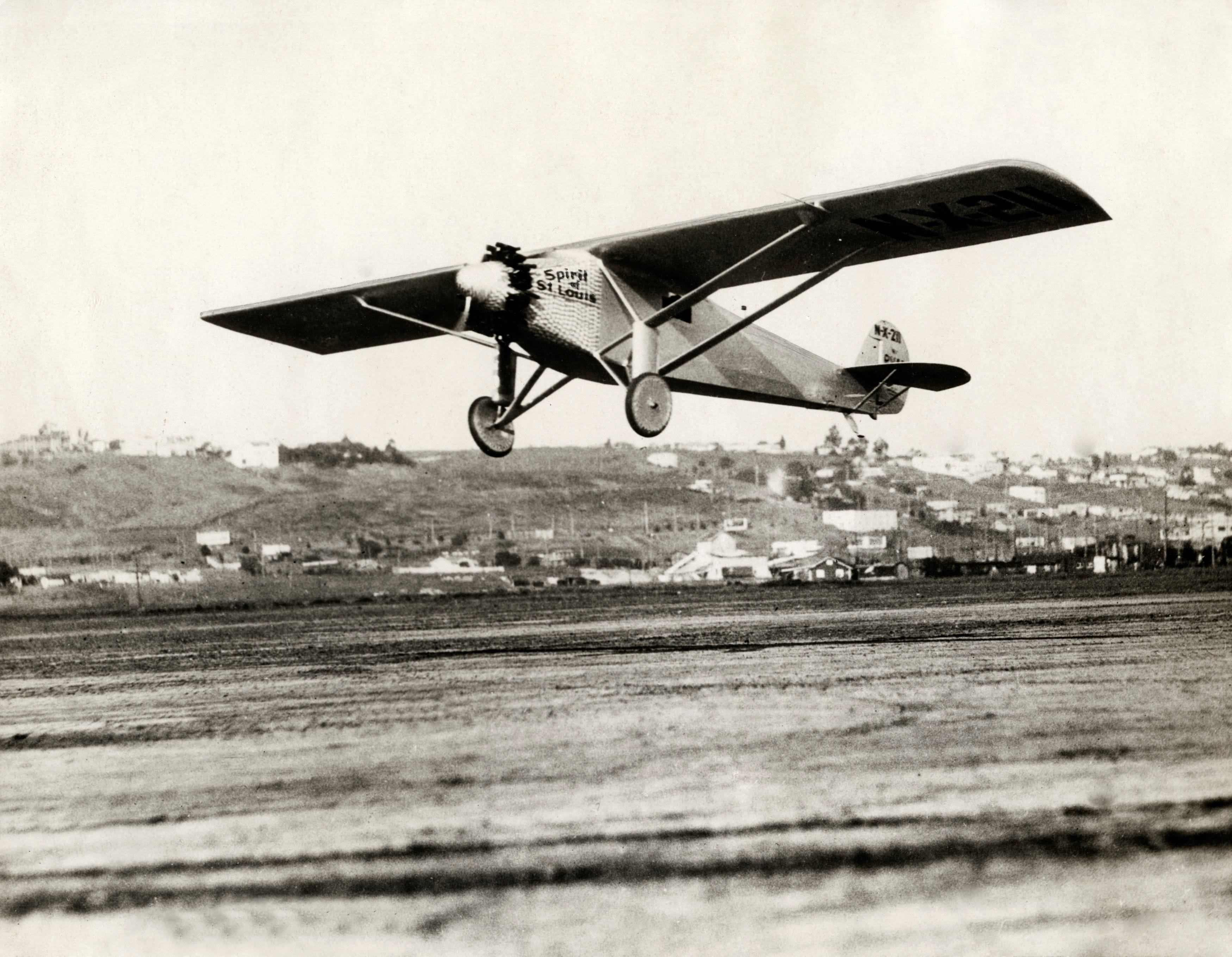
He couldn’t see where he was going. The Spirit of St. Louis had no forward windshield — fuel tanks blocked the view — so Lindbergh had installed a makeshift periscope to peer at the runway ahead. On May 20, 1927, that was the best technology available to the man about to change everything.
At 7:52 a.m., a lanky 25-year-old named Charles Lindbergh climbed into the cockpit of his single-engine Ryan NYP monoplane at muddy Roosevelt Field, New York. The wheels barely cleared the telephone wires at the end of the strip. He had 450 gallons of fuel, 3,600 miles of open Atlantic, and a shocking obsession with cutting every single ounce of weight.
To maximize his fuel capacity, Lindbergh had ruthlessly stripped the plane: he cut the borders off his navigation charts, refused to carry a heavy radio, and skipped a lavish survival ration kit. Instead, he bought just five ham sandwiches from a local restaurant. When a bystander asked why he brought so little food for such a perilous journey, Lindbergh pragmatically replied: “If I get to Paris, I won’t need any more, and if I don’t get to Paris, I won’t need any more either.”
As it turned out, he barely touched them. Plagued by extreme hallucinations, sleep deprivation, fog, and ice, he flew for 33.5 grueling hours. When he finally brought the plane down at Paris’s Le Bourget Field—stunned to find a roaring crowd of 100,000 people rushing the runway—the uneaten sandwiches were still sitting in a paper bag beside him.
That single flight ignited the “Lindbergh Boom,” transforming aviation from a barnstorming novelty into a commercial empire.
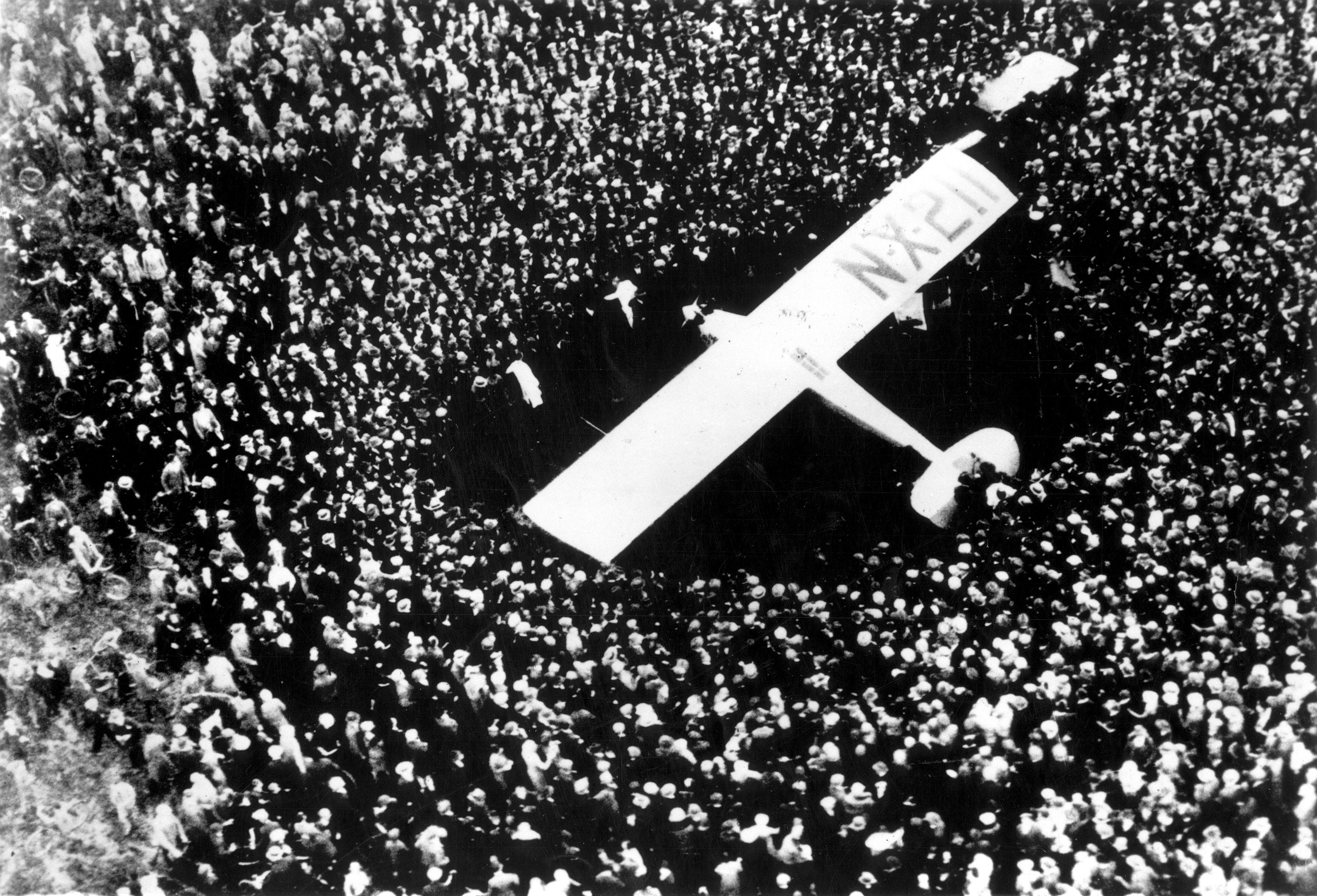
This wasn’t just a stunt; it transformed aviation from barnstorming novelty to commercial promise.
· Prior to Lindbergh’s flight, U.S. airlines carried a mere 5,800 passengers in 1926 across sparse airmail routes totaling 7,000-8,000 miles.
· Lindbergh’s triumph quadrupled licensed aircraft, tripled pilots, and spiked passengers to 173,000 by 1929—a staggering 2,900% leap—as stocks soared and public fervor poured investment into the skies.
The Kelly Act of 1925 had primed the pump with private airmail contracts, but Lindbergh accelerated it: routes ballooned to over 11,000 miles by late 1927, daily flown miles doubled to 22,000. He personally championed airlines, surveying routes for Pan American (enabling its Pacific dominance) and promoting Transcontinental Air Transport (TAT, reborn as TWA—”The Lindbergh Line”). Mergers forged giants: American Airways in 1930 (American Airlines by 1934), alongside Northwest and United expansions.
By 1934, passengers hit 450,000; by 1938, 1.2 million ditched trains for wings. Lindbergh’s solo leap built the backbone of global airlines, proving the impossible possible—one fuel-slurping hop at a time.
The flight you flew last week, that airline your work for — its route map, its hub, its merger history — traces a direct line back to that muddy field 99 years ago today.
Lindbergh didn’t just cross an ocean. He convinced a skeptical public that the sky was a place worth going, and a skeptical investor class that it was a place worth funding. Every boarding pass since is a footnote to the thirty-three and a half hours that proved them both right.
Know someone who loves aviation history or flies a lot for work? Use the button below to share this piece with them!